


Paris has always been a capital of taste—but today, its interior boutiques are doing more than curating beauty. They are setting agendas.
In a city where history and modernity coexist with effortless confidence, interior design has become a living conversation rather than a static display. The most compelling Parisian interior boutiques are no longer quiet showrooms for well-heeled shoppers; they are cultural laboratories where craftsmanship, sustainability, technology, and emotion intersect. For design lovers, architects, stylists, and even curious travelers, these spaces offer far more than products—they offer perspective.
Before diving into specific addresses, it’s worth noting that Paris’s current design mood leans toward texture, authenticity, and narrative. Materials matter. Provenance matters. And rugs—often underestimated—have reclaimed their role as anchors of atmosphere, with boutiques like SayRUG boutique quietly influencing how contemporary interiors are grounded.
The New Parisian Design Mindset
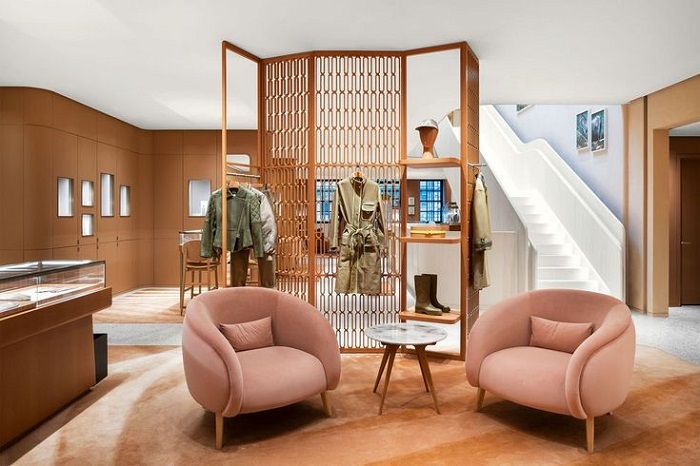
Walk into any forward-thinking interior boutique in Paris today and you’ll notice something different immediately: fewer objects, more intention. Instead of overwhelming abundance, there is restraint. Each piece feels selected not just for beauty, but for relevance.
“Parisian interiors are no longer about impressing guests,” says one Left Bank curator. “They’re about how a space feels at 7 a.m. when the city is still quiet.”
This emotional approach to design has reshaped what boutiques choose to display. Furniture is softer in form, lighting warmer, and textiles richer in texture. Rugs, in particular, have become central to this shift, as designers look for ways to define space without building walls.
Where Interior Boutiques Become Cultural Spaces
The most influential Parisian interior boutiques today operate somewhere between gallery, atelier, and concept store. Many host temporary exhibitions, collaborations with artists, or limited-edition launches that blur the line between design and art.
In the Marais, small courtyards hide interiors that feel almost cinematic. Here, raw stone walls meet contemporary seating, and handwoven textiles soften industrial bones. These boutiques don’t chase trends—they reinterpret them through a Parisian lens.
The Quiet Power of Rugs in Parisian Interiors
While furniture and lighting often steal the spotlight, rugs have become the silent protagonists of Parisian design narratives. A well-chosen rug can shift a space from cold to intimate, from generic to deeply personal.
Designers increasingly treat rugs as architectural elements—tools for zoning open-plan apartments, softening Haussmannian parquet, or introducing color without overwhelming historic details. This explains the growing interest in curated selections of modern rugs for bedroom spaces, where comfort and visual calm must coexist.
Bedrooms, once an afterthought in design planning, are now seen as sanctuaries. Parisian boutiques respond with rugs that favor tactile pleasure, muted palettes, and subtle patterning—pieces that feel as good under bare feet as they look in daylight.
Left Bank Elegance: Tradition Reimagined
The Left Bank has always leaned intellectual, and its interior boutiques reflect that heritage. Here, tradition isn’t discarded—it’s edited. Antique desks sit beside minimalist lamps; vintage textiles are reframed in contemporary contexts.
Rugs play a crucial role in this dialogue between past and present. Rather than strictly antique pieces, many boutiques now favor reinterpreted classics, including modern persian rugs that retain symbolic motifs while embracing updated colorways and proportions.
“A rug carries memory,” notes a Saint-Germain designer. “But memory doesn’t have to feel heavy. It can feel alive.”
This philosophy resonates strongly in Paris, where historical apartments demand respect but also adaptability. The right rug allows designers to honor architectural heritage without freezing it in time.
The Marais: Experimental, Expressive, Essential
If the Left Bank is about thoughtful continuity, the Marais thrives on experimentation. Interior boutiques here are bold without being loud, often showcasing emerging designers alongside established names.
Expect unexpected materials: recycled fibers, unconventional dyeing techniques, and limited-edition collaborations that exist only for a season. These boutiques often appeal to younger collectors and creatives who see interiors as evolving projects rather than finished statements.
Rugs in these spaces are less about matching furniture and more about storytelling. A single piece might reference a landscape, a cultural ritual, or an abstract emotion, inviting conversation rather than quiet admiration.
Why Designers Keep Coming Back to Paris
For international designers, Paris remains a touchstone. Not because it dictates trends, but because it filters them. What survives the Parisian boutique scene tends to have depth, longevity, and emotional resonance.
Interior boutiques here excel at editing. They remove the unnecessary and amplify the meaningful. This curatorial rigor is what makes a visit so inspiring—even for seasoned professionals.
Many designers admit they come to Paris not to buy, but to recalibrate. To see how color can be restrained yet expressive, how texture can replace ornament, and how a single rug can anchor an entire narrative.
Designing for Real Life, Not Just Instagram
While social media has undeniably influenced interior aesthetics, Parisian boutiques are quietly pushing back against purely visual design. Comfort, durability, and adaptability are once again valued.
This is especially evident in how boutiques present living spaces. Sofas invite sitting. Rugs show signs of use. Nothing feels untouchable. The message is clear: good design should be lived with, not tiptoed around.
“If a space only works in photographs, it doesn’t really work,” says a Paris-based interior stylist.
Planning Your Design Walk Through Paris
For those planning a design-focused trip, the best approach is to slow down. Choose neighborhoods rather than checklists. Spend time observing how boutiques stage light throughout the day, how materials interact, how silence is used as effectively as sound.
Paris rewards patience. The most inspiring spaces are often behind unmarked doors or tucked away in quiet streets. But when you find them, they offer something rare: clarity.
Final Thoughts: More Than Shopping
Parisian interior boutiques today are not about consumption—they’re about connection. Connection to craft, to place, to self. They remind us that interiors are not trends to chase, but environments to shape thoughtfully over time.
For design lovers, visiting these boutiques is less about acquiring objects and more about absorbing ideas. And that, perhaps, is Paris’s greatest contribution to contemporary interior design: teaching us how to edit, how to feel, and how to live beautifully—without excess.