


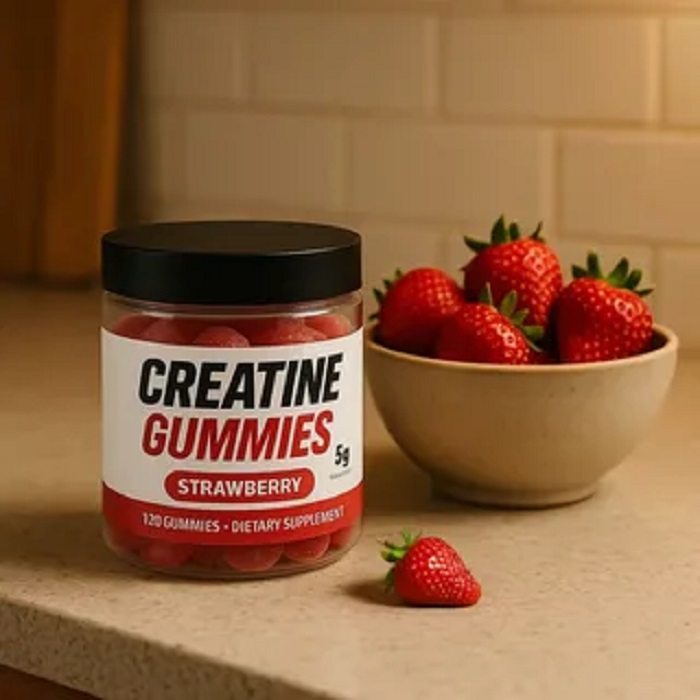
A creatine gummy project needs a detailed feasibility discussion because the desired serving, ingredient load, taste, and gummy format have to work together in a finished product. Creatine gummy feasibility depends on the relationship between the desired daily amount and the number, size, taste, and texture of gummies a consumer is expected to take. The inquiry should make that relationship explicit so a manufacturer can offer realistic choices instead of building a sample around an unstated compromise.
The brand should identify the proposed creatine form, target daily amount, number of pieces per serving, any additional ingredients, flavor direction, and limits on sugars or gelling systems. Those details determine whether the requested positioning can be carried by the chosen gummy format. A sports-oriented brief should describe the expected use occasion. Is the product intended for a gym bag, a pre-workout routine, travel, or daily replenishment? The answer affects portioning, package count, flavor expectations, and the educational language that must fit on the label and product page.
The consumer experience should cover portion size, chew, flavor, stickiness, portability, and the clarity of the serving instruction for the intended sports or active-lifestyle customer. The team should set a decision rule for payload tradeoffs. It may accept more pieces per serving, a different ingredient form, a narrower flavor direction, or an alternate format. Without such a rule, every prototype discussion can become a debate about preferences rather than a response to a commercial constraint.
For an active-lifestyle gummy project, creatine gummy manufacturer naturally introduces questions about daily serving, gummy count, taste expectations, and appropriate package sizing. Claims review needs to be built into the project calendar. Sports consumers may expect strong performance language, but the brand should use market-appropriate wording that it has reviewed and can support, rather than allowing aspirational copy to outrun the final formula and its documentation.
The review can cover agreed ingredient and finished-product specifications, sample sign-off, packaging checks, and the records the brand requires to support its own release process. Creatine gummy feasibility depends on the relationship between the desired daily amount and the number, size, taste, and texture of gummies a consumer is expected to take. The inquiry should make that relationship explicit so a manufacturer can offer realistic choices instead of building a sample around an unstated compromise.
A comparable quote needs the actual per-serving design, package count, formula complexity, components, and the order quantity assumed by the manufacturer. A sports-oriented brief should describe the expected use occasion. Is the product intended for a gym bag, a pre-workout routine, travel, or daily replenishment? The answer affects portioning, package count, flavor expectations, and the educational language that must fit on the label and product page.
Sports-positioning language should be developed carefully for the intended market and should not extend beyond claims the brand has reviewed and can substantiate. The team should set a decision rule for payload tradeoffs. It may accept more pieces per serving, a different ingredient form, a narrower flavor direction, or an alternate format. Without such a rule, every prototype discussion can become a debate about preferences rather than a response to a commercial constraint.
The best manufacturer conversation starts with a realistic gummy brief rather than an assumption that every powdered ingredient translates directly into a gummy. Claims review needs to be built into the project calendar. Sports consumers may expect strong performance language, but the brand should use market-appropriate wording that it has reviewed and can support, rather than allowing aspirational copy to outrun the final formula and its documentation. For creatine gummies, document the accepted relationship between daily serving, gummy count, taste, and package size. That prevents the project from drifting toward a consumer experience that no longer supports the product’s intended active-lifestyle use occasion.