


A larger site may need a three-phase hybrid inverter when its load profile, electrical supply, and future expansion path call for a system beyond a compact single-phase arrangement. The question is not whether three phase sounds more commercial. It is whether the building has three-phase circuits, how demand is distributed, what critical loads require backup, and how PV and storage will be coordinated with the existing supply and protection arrangement.
Measure demand by phase and by operating period. A total building load can hide a significant imbalance if one phase carries more motor, cooling, or production equipment than the others. Record normal running demand, startup events, and the circuits that must remain available during a grid interruption. These observations help determine the energy system scope and show whether distribution changes or load-management decisions may be necessary.
Storage architecture should be reviewed with the inverter class. High-voltage battery arrangements, communication links, protection equipment, cable routes, and commissioning procedures should be selected as a compatible system. A project team should avoid mixing model assumptions from different product generations or manuals. The exact unit, battery family, and document version need to be checked before technical approval, especially where a future expansion is expected.
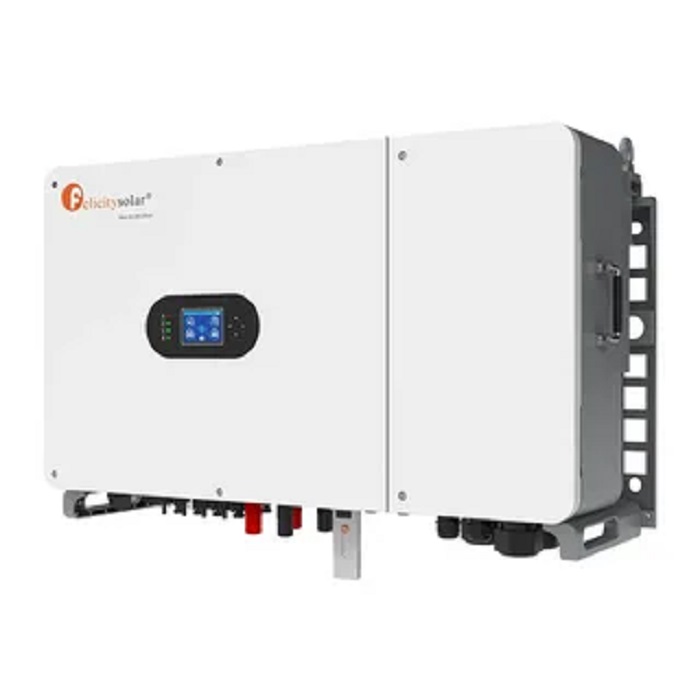
For a high-voltage commercial or larger-residential review, the luxpower 3 phase inverter page can be used as a product-specific research point. The 6-30kW three-phase family should be assessed against measured phase loads, the proposed battery configuration, selected PV strings, protection coordination, and the requirements of the actual installation site.
PV array design must account for the particular model’s electrical limits and the physical property conditions. Array capacity, string voltage, current, shading, roof layout, cable routing, isolators, and surge protection all require project review. A larger inverter category does not automatically mean every possible array arrangement is suitable. The installation design should connect the generation plan to the load and storage strategy rather than treating them as separate purchases.
Project expansion needs a written plan. If additional inverters, batteries, or loads may be added later, identify what hardware, communications, metering, space, and protection provisions would be required. This may influence the initial cabinet layout, cable containment, and monitoring approach. A modest allowance made during the first installation is more useful than an unverified promise that extra capacity can be added without site changes.
Commissioning should include phase checks, installed-equipment identification, monitoring configuration, and an approved test of the planned operating modes. The team should retain site drawings, battery configuration details, and the manuals used for the supplied equipment. That record supports troubleshooting and makes a later expansion easier to evaluate without assuming that every similar model has identical requirements.
A high-voltage three-phase hybrid project is a site design exercise before it becomes an equipment order. Phase demand, storage compatibility, PV strings, protection, and future growth should be resolved together. With those elements documented, the selected inverter family can be evaluated against the real needs of the larger property. For a business site, involve the people responsible for operations and electrical maintenance before the final equipment layout is approved. They can identify production periods, access restrictions, shutdown windows, and critical processes that may not appear on a utility bill. Their input helps convert a broad request for resilience into a realistic backup sequence. It also helps determine what monitoring information and alarm ownership are needed once the energy system is operating alongside the site’s existing infrastructure. Commissioning should include a written review of normal, reduced, and backup operating states. Seeing how the site behaves under each condition helps the operator understand priorities and alerts. That practical rehearsal can uncover assumptions that were not visible in a single diagram or equipment schedule.