



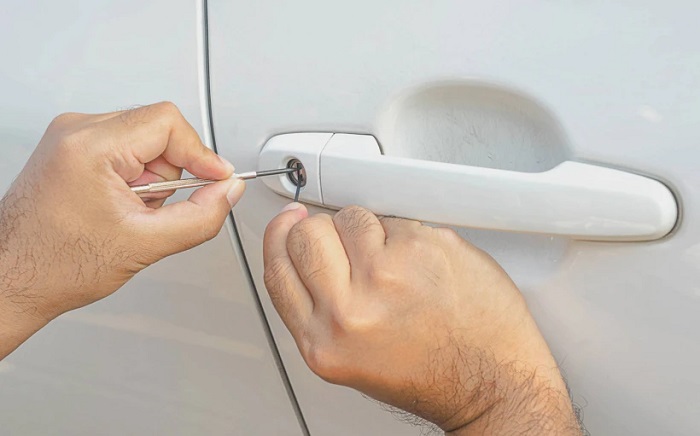
Car opening is a complex professional procedure aimed at safely restoring access to the interior or trunk in the event of lost keys, jammed locks, or electronic failure. Modern methods involve precise diagnostics of the lock type and security system, the use of specialized tools, and careful work without damaging doors, glass, or paintwork.
The rules are equally important: the technician must confirm the legality of access, verify the vehicle’s documents and the owner’s identity, and comply with safety requirements to eliminate the risk of alarm activation and damage to body components. Additional materials and recommendations – more about car unlocking on https://carlocksmithcambridge.ca.
When is emergency keyless car unlocking permitted: legal grounds and documents
Emergency keyless car unlocking is permitted only if there is a legal basis and purpose that justifies the interference with someone else’s property: preventing a threat to life and health, preventing an offense, ensuring public safety, or restoring the owner’s access to their vehicle with proven ownership.
From a legal risk perspective, it is important to distinguish between situations where the owner (or an authorized person) unlocks the vehicle themselves and cases where access is provided by special services or the police. In the first case, confirmation of ownership and the owner’s consent are key; in the second, the existence of authority and the documentation of the grounds for forced access are crucial.
Legal grounds for emergency unlocking
1) Threat to life and health. If a child, an unconscious person, a dangerous animal, or a risk of suffocation/overheating/hypothermia is present in the vehicle, emergency opening is permitted for rescue purposes. In such circumstances, the priority is to prevent harm, and actions must be proportionate to the threat and aimed specifically at eliminating the danger.
2) Preventing an offense and ensuring safety. Access may be required if there are signs of a crime or administrative violation (e.g., suspected theft, transportation of prohibited items), or if inspection/seizure is necessary as part of legal proceedings. In these cases, opening is performed by authorized officials, followed by recording and documentation.
3) Owner access to their own vehicle in the event of lost keys. If the keys are lost or locked inside the vehicle, opening is permitted at the owner’s (or legal user’s) request, but verification of the vehicle’s rights and the applicant’s identity is required. The contractor must act carefully, within the agreed-upon scope of service, and, if necessary, provide documentary evidence of the request.
What documents and evidence are typically required
To prevent an emergency opening from being classified as unauthorized access, a minimum set of evidence is usually required to identify the person and their right to the vehicle. The less urgent the situation, the stricter the approach to documentation and records should be.
- Identity document (passport/driver’s license) – to identify the applicant.
- Proof of ownership of the vehicle: vehicle registration certificate, owner/user documents, rental/leasing agreement/power of attorney (if not the owner).
- Proof of the applicant’s connection to the vehicle if the documents are not on hand: registration information, insurance policy information, access to electronic documents, the ability to confirm ownership through the owner/representative.
- Owner’s consent, if a third party applies (preferably in a form that can be recorded: a call in the presence of witnesses, a message, a power of attorney).
In situations involving the police or other services, procedural documentation is appropriate: drawing up a report/report, involving witnesses or using video recording, listing the grounds, time, place, A list of actions and possible causes of damage. For private openings, it is useful to draw up a work completion report and document the vehicle’s initial condition (photos/videos) before and after work to reduce the risk of disputes.
- First, the reason (emergency/owner request) is recorded and the applicant is identified.
- Then, documents or other proof of access rights are verified.
- Then, the opening is performed with minimal intervention and mandatory documentation of the results.