


Most solar homes still use the grid every day. That is not a failure. It is simply how grid-tied solar works. Panels produce most of their energy during daylight hours, while many households use more electricity in the evening.
A battery can close part of that gap without turning the home into an off-grid project.
What Solar Self-Consumption Means
Solar self-consumption is the share of solar electricity used directly by the home instead of exported to the grid. Without a battery, excess midday solar may flow out to the utility. Later, the home may buy electricity back in the evening.
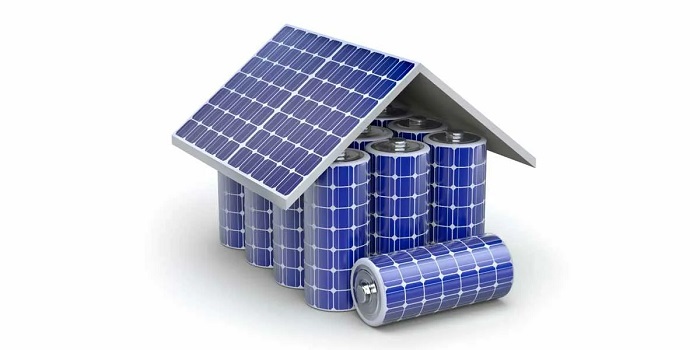
A battery stores some of that midday surplus and releases it after sunset. The home still stays connected to the grid, but it uses more of its own solar production.
This is especially useful where export credits are lower than retail electricity prices. The battery helps shift solar energy into higher-value hours.
Staying Grid-Tied Has Advantages
Going fully off-grid requires designing for the worst-case scenario: long cloudy periods, seasonal swings, equipment failures, and high peak loads. That can make the system larger and more expensive.
A grid-tied solar-plus-storage system can be more practical. The battery handles everyday shifting and backup. The grid remains available when the battery is depleted or household demand exceeds system output.
According to the U.S. Department of Energy, battery storage can provide both cost savings while grid-connected and backup power when the grid goes down. That dual role is exactly why many homeowners choose storage without leaving the grid.
The Battery Does Not Need to Cover Everything
For self-consumption, the battery should be sized around surplus solar and evening demand. A household that exports 8 kWh on a sunny day may not need a 30 kWh battery just to improve self-use.
The battery also needs enough power output to serve the loads that run in the evening. Lighting, electronics, refrigeration, and small appliances are easy. HVAC, electric cooking, and EV charging require more careful planning.
ESYsunhome’s residential energy storage solution includes single-phase all-in-one ESS models such as HM5 and HM6 for 5-6 kW applications, plus larger HM-series systems for homes with higher power needs. The residential energy storage solution page also connects solar storage with backup and EV charging use cases.
Monitoring Helps Homeowners Adjust
A good monitoring app can change how a household uses energy. When people can see when solar is abundant, when the battery is full, and when the home is importing from the grid, they can make better decisions.
That might mean running the dishwasher earlier, charging devices during solar hours, or avoiding unnecessary high-power loads when the battery is low.
The ESYsunhome APP and Cloud are designed around energy flow monitoring and remote control, which are practical features for homes trying to raise self-consumption without micromanaging every appliance.
Self-Consumption Is Not the Same as Independence
A battery can make a solar home less dependent on the grid, but that is different from going fully off-grid. The home may still rely on utility power during long storms, heavy winter loads, or unusual consumption days.
That is perfectly reasonable. For many homeowners, the goal is not total independence. It is better use of rooftop solar, more control over bills, and backup for important loads.
A home battery can increase solar self-consumption in a practical, grid-connected way. It turns solar from a daytime-only resource into energy the household can use when life actually happens.