



Car towing is a necessary measure in the event of traffic violations, technical malfunctions, or emergency situations. It is important to know the basic requirements and rules to ensure the procedure is completed quickly and smoothly, as well as to comply with the law and preserve the vehicle’s safety.
For those planning an urgent towing issue, it is possible to order a tow truck on https://mtstowing.ca/, which will significantly speed up the process and reduce time. A proper understanding of the procedures and rules will help you stay safe and keep your vehicle in good working order.
Car towing: practical recommendations for drivers
If a situation arises that requires the towing of a car, it is important to know the basic rules and procedures to minimize potential risks and comply with the law. Proper communication with towing services and following procedures will help expedite the process and avoid additional costs.
Before calling a tow truck, make sure you have all the necessary documents, such as your vehicle registration and identification. This will expedite the necessary paperwork and interaction with the towing service.
Practical Recommendations for Calling a Tow Truck and Actions on the Spot
- Ensure Safety: Make sure your vehicle is in a safe location and signal other road users to keep a safe distance.
- Verify Information: When calling a tow truck, verify the exact location, vehicle details (e.g., damage or special requirements), and your contact phone number.
- Wait for the Tow Truck: Upon arrival, the tow truck will check your documents, determine the reasons for the towing, and carry out the necessary procedures according to the regulations.
Specifics of Rules and Requirements for Towing
In addition to the correct actions, it is important to remember that towing a passenger vehicle is only permitted in cases established by law, such as an improperly parked vehicle, a violation of stopping rules, or the need to remove an obstruction. As a driver, you must strictly adhere to the instructions of the towing service personnel and not interfere with their work. In the event of a dispute, it is recommended to remain calm and contact the regulatory authorities to resolve the matter.
Step-by-step instructions for preparing your vehicle for transportation without damage
Properly preparing your vehicle before transportation is the key to preserving its technical condition and preventing possible damage. Following a clear sequence of steps will help ensure safe and efficient vehicle transportation.
Below is a step-by-step guide to help you prepare your vehicle for transportation without compromising its appearance or functionality.
Key Steps to Preparing a Vehicle for Transportation
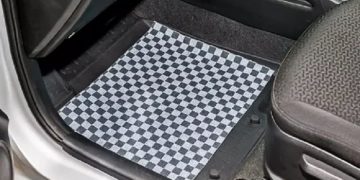
- Clearing the Vehicle – Remove all personal belongings, tools, and items that could damage the body or become scattered during transportation.
- Checking Fluid Levels and Condition – Ensure the fuel level is no more than 1/4 of a tank (some carriers require a full or empty tank; check in advance). Check for leaks and the proper functioning of the hydraulic systems.
- Secure moving parts – Close and secure the trunk lid, doors, hood, and other moving parts to prevent them from accidentally opening during transport.
- Protect the body and windows – If necessary, wrap individual parts with soft materials or protective coverings to prevent scratches and damage.
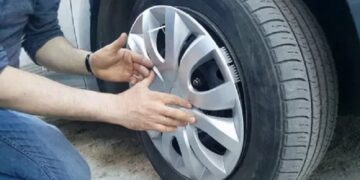
- Check the condition of the wheels and brakes – Make sure the tires are inflated, the rims are undamaged, and the brakes are functioning properly if they are not secured by the vehicle.
- Secure the vehicle on a transport platform or ramp – Use belts, ropes, or chains to securely hold the vehicle and prevent movement during transport.
Careful preparation of the vehicle before transport ensures its safety and successful delivery. Following all the steps above will help prevent damage and speed up the loading and unloading process. Remember to coordinate details with the shipping company and follow their recommendations.