


The roofing system is a major choice that must be made whether the choice is relating to a residential, commercial or industrial building. The roof helps to secure the building against the severe weather conditions, to control temperatures inside and to have a great impact on the future maintenance expenses. PVC roofing membrane and the bituminous roofing system are some of the most common solutions to use on the flat roofs today.
In the climate of Estonia, which is rather cold in winter, wet and varying temperatures, the right type of the material will be even more significant. Professional construction professionals like flat roof solutions roofing underline the material applicability to climatic conditions, the structural needs, and the financial anticipations.
This paper gives a comparative analysis of PVC and bitumen roofing in a detailed and practical way so as to assist property owners, developers as well as the facility managers to make the correct decision.
Understanding PVC Roofing
The material is PVC ( Polyvinyl Chloride ) roofing, which is a single-ply roofing system commonly used as a commercial and industrial flat roofing system. It is produced out of synthetic plastic polymers with reinforcing layers to make it tough.
Key Features of PVC Roofing
PVC roofing sheets are characterized by:
- Seams that are heat-welded to form a watertight protection.
- Lightweight frameworks that can be applied on large roof spans.
- Strong chemical, UV ray, and moisture resistance.
- Anti-dirt and anti-debris smooth surface.
As a result of being prefabricated, installation can be done within a fairly short time, in case it is carried out by skilled personnel who can provide turnkey roofing services.
Advantages of PVC Roofing
PVC roofing has a number of advantages:
- Good performance on waterproofing.
- Energy saving because of the reflective surface.
- Extended service duration and low maintenance.
- Extreme ponding water resistance.
All these characteristics make PVC a favorite among warehouses, shopping centers and office buildings.
Limitations of PVC Roofing
PVC roofing has also its limitations:
- More initial price than the traditional bituminous materials.
- Reduced elasticity in very low temperatures.
- Needs competent installation to prevent seam failure.
PVC is best applied to a project in which the long-term performance is more important than the costs of the materials.
Understanding Bitumen Roofing
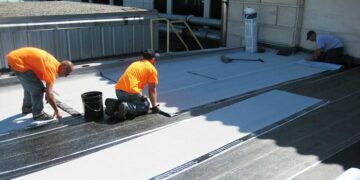
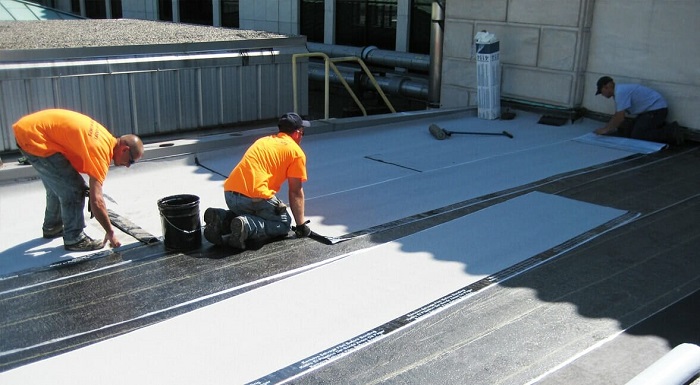
Bituminous roofing has been used for decades and remains one of the most reliable roofing for flat roof solutions. It is made from bitumen (asphalt-based material) reinforced with polyester or fiberglass.
Types of Bituminous Roofing Systems
Bituminous systems include:
- Torch-applied membranes
- Self-adhesive membranes
- Mechanically fixed systems
These systems are commonly used in both residential and commercial buildings due to their versatility.
Advantages of Bituminous Roofing
Bituminous roofing systems provide:
- Proven durability in cold climates
- Strong resistance to mechanical damage
- Easy repair and maintenance
- Cost-effective installation options
Many contractors prefer bituminous materials because they perform consistently across varying weather conditions.
Limitations of Bituminous Roofing
Some drawbacks include:
- Higher roofing felt cost when multiple layers are required
- Longer installation time
- Less reflective surface compared to PVC
However, modern bituminous roofing systems have significantly improved performance and longevity.
PVC vs Bitumen Roofing: Detailed Comparison
1. Durability and Lifespan
PVC membranes normally last 25-30 years when properly mounted. Bituminous roofing systems can also have equally long lifespan particularly with the use of multi-layers systems.
Bituminous roofing is used in areas such as Estonia because it is flexible to the freeze thaw cycle with the climatic conditions.
2. Installation and Labor
Due to the size of the sheets and the heat weld seams, the installation of PVC roofing is quicker. Bitumen roofing would involve greater labour involvement, but can be customized to accommodate elaborate roof patterns.
Turnkey roofing companies usually suggest bitumen in case of renewing or renovating and PVC in case of new construction.
3. Cost Considerations
Assuming price of roof insulation and cost of materials:
- PVC is costly in terms of raw materials.
- Bitumen is less capital intensive.
- Maintenance costs in the long run are similar.
The last price is based on the size of the roof, the thickness of the insulation and the construction needs.
4. Thermal Performance and Insulation
Both systems are dependent on the adequate insulation layers. Bituminous roofing can be incorporated with various insulation solution and PVC has the advantage of being reflective which helps in preventing heat build-up.
5. Maintenance and Repairs
Bituminous materials can be repaired locally with ease. Repairs on PVC need matching membranes and welding machines, and hence professional maintenance is necessary.
Which Roofing Material Is Best for Your Project?
Choosing between PVC and bitumen roofing depends on:
- Building type and usage
- Climate exposure
- Budget constraints
- Long-term maintenance strategy
PVC roofing suits large commercial buildings seeking energy efficiency and modern design. Bituminous roofing remains ideal for residential and mixed-use buildings requiring durability and cost control.
Professional roofing providers offering a Comfortable and exclusive business service evaluate each project individually to recommend the most suitable solution.
Importance of Professional Roofing Expertise
Regardless of the roofing material you choose, professional installation directly determines how well the roof performs, how long it lasts, and whether warranties remain valid. Even premium materials fail prematurely when installed incorrectly.
A reliable contractor operating a full-service roofing materials store brings several critical advantages. First, they provide certified and manufacturer-approved materials, which ensures the products meet industry standards and qualify for full warranty coverage. Second, they install proper insulation systems, preventing heat loss, condensation buildup, and energy inefficiency—issues that often arise with DIY or inexperienced installers.
Experienced roofing specialists go beyond simply laying materials. They evaluate drainage design to ensure rainwater and snowmelt flow away from the structure, reducing the risk of leaks, mold, and foundation damage. They also install and inspect vapor barriers, which protect the roof structure from trapped moisture that can cause rot, corrosion, or insulation failure over time.
Another critical factor is structural load assessment. Professionals calculate whether the roof frame can safely support the chosen materials, especially with heavier options like metal or tile roofing. This prevents long-term stress on the building and reduces the risk of sagging or structural damage.
FAQs about PVC vs Bitumen Roofing
1. Which roofing system lasts longer: PVC or bitumen?
Both systems can last over 25 years when installed correctly. Bituminous roofing often performs better in colder climates.
2. Is PVC roofing suitable for residential buildings?
Yes, but it is more commonly used in commercial and industrial projects due to higher material costs.
3. What affects roof insulation price the most?
Insulation thickness, material type, roof size, and labor costs all influence the final price.
4. Are bituminous materials environmentally friendly?
Modern bituminous materials are recyclable and have improved environmental performance compared to older systems.
5. Can bitumen roofing be installed over an existing roof?
Yes, bituminous roofing is often used in renovation projects where old roofing layers remain in place.
Conclusion
Both PVC and bituminous roofing systems offer proven benefits for flat roofs. PVC stands out for energy efficiency and modern applications, while bitumen excels in durability, adaptability, and cost efficiency—especially in colder climates.
To achieve optimal results, it is essential to work with experienced professionals who understand local conditions and provide comprehensive solutions. Companies such as Roofmaster professional roofing services combine technical expertise, high-quality materials, and long-term performance assurance for every project.