


Larnaca is a practical base for seeing more of Cyprus without changing hotels every few days. The airport sits close to the city, the main roads are easy to join, and several very different parts of the island can be reached within a day.
Travellers who want more freedom can compare cars and collection conditions through RentGo Larnaca. A car is particularly useful for places such as Cape Greco, Lefkara and the mountain villages, where buses may be limited or poorly suited to a flexible itinerary.
The real advantage of staying in Larnaca is variety. One morning can begin beside the salt lake and end with a swim near Protaras. Another day can be spent among stone houses and craft workshops in Lefkara. With an early start, even the Troodos Mountains are within reach.
There is no need to turn every outing into a long checklist. The routes below work best when you choose a few worthwhile stops and leave enough time for lunch, walking and the occasional unplanned detour.
Cape Greco, Ayia Napa and Protaras
The drive east from Larnaca is the easiest road trip on this list. It is also one of the most rewarding, especially for travellers who want clear water, coastal scenery and short stops rather than a full day of sightseeing.
Ayia Napa is usually the first name people recognise, but the coast between Ayia Napa and Protaras is the part worth exploring slowly. The sea caves, rocky viewpoints and coves around Cape Greco feel very different from the organised beaches closer to the resorts.
Leave Larnaca in the morning and head first towards the sea caves near Ayia Napa. From there, continue into the Cape Greco area. Several viewpoints can be reached from small parking areas, so a long hike is not necessary. Even a short walk gives you open views across the cliffs and the Mediterranean.
For swimming, choose either Konnos Bay or one of the beaches around Protaras. Konnos Bay has a more sheltered setting, surrounded by green slopes, while Protaras offers a wider choice of restaurants, cafés and beach facilities.
It is tempting to stop at every bay, but that usually means spending half the day finding parking and moving bags in and out of the car. One main swimming stop is enough. Use the rest of the time for the viewpoints and coast road.
A comfortable route could include:
- the Ayia Napa sea caves
- a short walk or viewpoint at Cape Greco
- lunch and swimming at Konnos Bay or Protaras
- an evening walk near Ayia Napa Harbour
In July and August, an early departure makes a noticeable difference. Parking near the most popular beaches becomes difficult around midday, and the paths around Cape Greco have very little shade.
Lefkara and the Villages Inland from Larnaca
The drive to Lefkara shows a quieter side of the region. The flat coast gradually gives way to rolling hills, olive trees and villages built from pale local stone.
Pano Lefkara is the main stop. It is known for traditional lace and silverwork, but the village is not only about souvenir shops. Its narrow lanes, old houses, shaded courtyards and small cafés make it a pleasant place to explore without following a strict route.
Leave the car near the edge of the historic centre. The oldest streets are narrow, and trying to drive deeper into the village often saves less time than expected. Lefkara is compact enough to walk comfortably.
Allow at least two hours rather than treating it as a quick stop for photographs. Sit down for coffee, visit a workshop and have lunch before continuing. The village feels more relaxed once the larger tour groups begin to leave.
Kato Drys is close enough to add on the same day. It is smaller and quieter, with traditional houses and fewer visitors. The atmosphere is less polished than Lefkara, which is part of its appeal.
Vavla and Skarinou are also nearby, although there is little value in visiting every village simply because they appear close together on a map. Lefkara and Kato Drys already fill a day comfortably when you include lunch and time to walk.
A compact car is useful here. The approach roads are straightforward, but parking spaces and village lanes can be tight.
This route is especially pleasant in spring and autumn, when the countryside is greener and temperatures are better suited to walking. In midsummer, start early and plan a longer lunch during the hottest part of the day.
Nicosia for History, Food and City Streets
Nicosia feels completely different from the coast. It is busier, more urban and better suited to travellers interested in museums, old neighbourhoods, cafés and everyday city life.
The motorway drive from Larnaca is simple. The only awkward part begins near the centre, where traffic, one-way streets and parking can slow things down. The easiest option is to use a central car park and continue on foot.
Ledra Street is a convenient starting point. From there, the surrounding streets of the old city are easy to explore, with shops, historic buildings, museums and plenty of places for lunch.
Nicosia is not a destination to squeeze into a spare two hours. It deserves most of the day. Choose one museum or cultural site, walk through the centre and leave room for a proper meal rather than moving constantly between attractions.
Summer heat can feel stronger here than in Larnaca because there is less sea breeze. Morning is better for walking. Midday works well for a museum, a café or a long lunch indoors.
Some travellers try to combine Nicosia with Lefkara, but the result is often rushed. Keeping the two as separate outings gives you enough time to enjoy both rather than simply arriving, taking a few photographs and leaving again.
Troodos Mountains and Mountain Villages
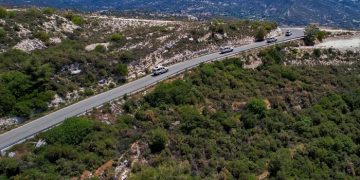
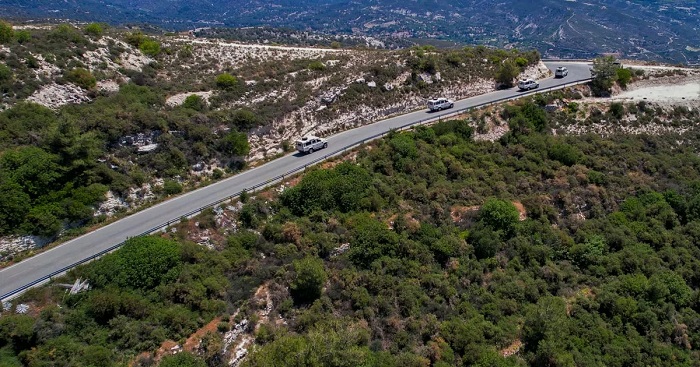
The Troodos Mountains require more driving, but the change of scenery is worth the extra effort. Pine forest replaces the dry coastal landscape, the air becomes cooler, and the roads pass through villages that feel far removed from the beach resorts.
The main mistake is trying to see too much in one day. Kakopetria, Platres and Omodos lie on different routes, and combining all three from Larnaca creates a long drive with very little time outside the car.
Choose one village and one nearby nature stop. That leaves enough time for a walk, lunch and a few scenic pauses along the way.
Kakopetria is a good choice for travellers who want a shaded old village and forest surroundings. Platres works well with nearby trails and mountain scenery. Omodos suits those more interested in traditional streets, local food and a lively village centre.
Distances in the mountains can be deceptive. A route that looks short on a map may take much longer because of bends, steep sections and slower traffic through villages.
Fill the tank before climbing higher and save the route offline. Petrol stations are less frequent than along the coast, and mobile reception can become weaker in forested areas.
On long descents, use a lower gear instead of holding the brakes continuously. Drivers who are not comfortable on winding roads should avoid planning a late return after dark.
The weather can also differ noticeably from Larnaca. Even when the coast is warm, the mountains may feel cool. Bring an extra layer outside midsummer and check local conditions before leaving during winter.
Useful Driving Tips Before Leaving Larnaca
Cyprus drives on the left. The main roads are generally easy to follow, but roundabouts, quiet junctions and exits from car parks require extra concentration if you normally drive on the right.
Do not judge the day only by the distance to the first stop. Parking, walking, lunch and short detours can add several hours to a route that appears simple.
Download an offline map before departure. It is useful around small villages, isolated viewpoints and mountain roads where the signal may weaken.
Keep water in the car, especially from late spring to early autumn. Even a short walk can feel tiring when there is little shade.
Check the rental agreement before using an unpaved road. Some beaches and viewpoints may appear accessible on a navigation app, but damage on excluded roads may not be covered.
It is also worth leaving valuables out of sight when the car is parked at a beach or viewpoint. Take phones, wallets and bags with you rather than leaving them visible inside.
Allow extra time for the return to Larnaca. Traffic becomes heavier around Ayia Napa and Protaras in the late afternoon during summer, particularly at weekends.
Which Day Trip Should You Choose?
Cape Greco is the easiest choice for a first day out. The route is simple, the scenery is impressive and there are plenty of places to stop without driving for hours.
Lefkara and Kato Drys suit travellers who prefer stone villages, local crafts and a slower pace. This trip also works well outside the main beach season.
Nicosia is better for museums, cafés, shopping and city atmosphere. It offers a useful contrast after several days by the sea.
The Troodos Mountains are the best option for forests, cooler air and traditional mountain villages. They require more planning, but they reveal a side of Cyprus that is easy to miss when staying only on the coast.
Larnaca makes all four routes possible without moving between hotels. The coast, countryside, capital and mountains can each have their own day, leaving enough time to enjoy the journey rather than rushing from one location to the next.